
Workplace safety has never been a static concern. From ancient codes of conduct to modern legislation and sophisticated management systems, the journey towards safer working environments reflects centuries of hard-won progress. At the heart of today’s safety landscape stands Seton, a trusted partner for businesses seeking reliable and comprehensive workplace safety solutions.
In brief
- The history of workplace safety dates back to ancient times, with early milestones like the Code of Hammurabi establishing the foundational duty to protect workers.
- Regulatory frameworks evolved significantly during the 19th century with the introduction of factory inspectors and essential safety legislation for machinery.
- The creation of the International Labour Organization in 1919 marked a major global shift toward formalizing occupational health and safety commitments.
- Seton has aligned its evolution as a safety provider with the changing landscape of legislation, emerging hazards, and complex modern workplace requirements.
- Modern safety management now goes beyond simple protective equipment to include hazard identification, risk assessment, and comprehensive emergency preparedness.
- Seton emphasizes a holistic safety approach that integrates practical tools with the promotion of a positive organizational culture and continuous employee training.
How Seton Built Its Reputation as a Trusted Workplace Safety Partner
The founding principles that shaped seton’s approach to safety
The story of workplace safety stretches back further than most people realise. As early as around 1750 BC, the Code of Hammurabi in ancient Babylon included penalties for unsafe building practices, suggesting that the duty to protect workers is as old as organised society itself. Much later, in 1802, Britain introduced the Health and Morals of Apprentices Act, a landmark step towards improving conditions in textile mills. By 1833, a formal system of government factory inspectors had been established to enforce workplace protections, laying the groundwork for the regulatory frameworks we recognise today. These historical milestones set a precedent for the kind of principled, structured approach to occupational health that companies like Seton have built upon ever since.
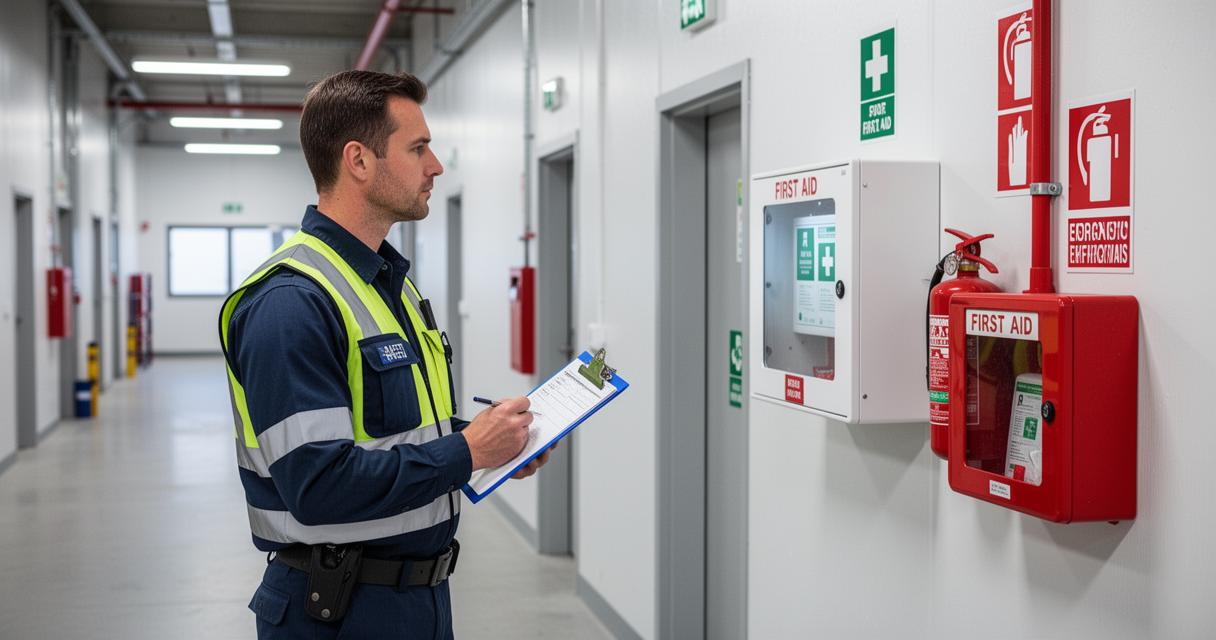
Decades of Innovation in Workplace Safety Solutions
The mid-19th century saw the Factories Act introduce safety legislation requiring machinery safeguards, marking a turning point in how organisations viewed their responsibilities. Later, the Health and Safety at Work Act and accompanying management regulations brought risk assessment and safe systems of work firmly into the mainstream. The founding of the International Labour Organization in 1919 further cemented a global commitment to protecting workers from occupational injuries and diseases. Seton’s own evolution as a provider of safety solutions mirrors this broader trajectory, responding to changing legislation, emerging hazards, and the ever-growing complexity of modern workplaces.
Seton’s enduring commitment to safer working environments
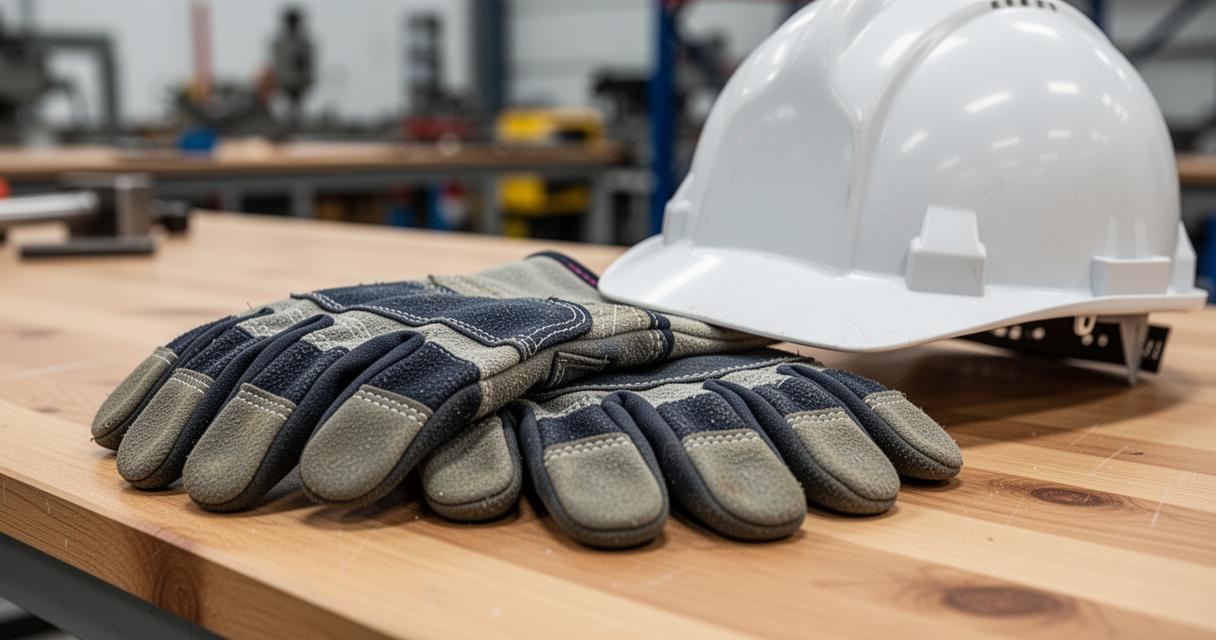
A Broad Range of Safety Solutions Tailored to Modern Workplaces
Today’s approach to health and safety extends well beyond simply supplying personal protective equipment. Effective workplace safety now encompasses hazard identification, thorough risk control, permit-to-work systems, mandatory safety induction, incident reporting, and robust emergency preparedness. Seton understands that no two workplaces are alike, which is why its range of products and services is designed to address the specific demands of diverse industries. Whether the challenge involves regulatory compliance, improving safety procedures, or strengthening safety management systems, Seton provides the tools and expertise to help organisations meet their obligations and go beyond them.

Why Businesses Across Industries Continue to Rely on Seton
Research and industry commentary consistently highlight that safety culture is at the core of meaningful improvement. Workers should feel genuinely empowered to report concerns without fear of humiliation or backlash, and leadership must demonstrate operational discipline that reinforces safe behaviours at every level. Studies have also pointed to the risk of organisations becoming overly system-focused, generating contradictory procedures that can undermine rather than support employee wellbeing. Seton’s philosophy aligns with a more holistic vision, one that values behavioural safety and continuous training alongside practical products. By combining deep knowledge of workplace hazards with a genuine commitment to supporting people, Seton remains a dependable partner for businesses determined to build a culture where safety is not merely a compliance exercise, but a shared value embedded in everyday working life.
 Why Kinky Cats Is Trending Across the US?
 Print Your Own Newspaper in France in 2026: A Comparison of 5 Top Services
 Top 10 Fire Safety Equipment Suppliers in the UK for 2026: Is Seton.co.uk Your Best Bet?
 Creating a Model to Follow for a Participative and Inclusive Future: Effective Opportunities for All in the Coming Years
 So Supportive: How Community Outreach Programmes Are Transforming Lives for the Homeless in Britain
 Complete Guide to Cholet du Cormier Recycling Centre: Phone, Opening Hours, Address, and Accepted Materials
 Top 4 best Workplace Health and Safety Experts in 2026: A Comprehensive Review
 5 Efficient Ways to Get Your Driver’s License in Ambérieu-en-Bugey with Ornikar
 Evaluating the Ulrich Model: Dave Ulrich’s Framework for Leadership, Change Champions and Organisational Value Delivery
 How Gorcy la Roche SAS Navigated Judicial Liquidation Proceedings: Marketing Insights from the Briey Commercial Court
 How blog archives – f.a.r.c.o.r resources support data protection officers in educational institutions