Suspension training has quietly become one of the most versatile ways to build strength without stepping near a rack of dumbbells. Using nothing more than a set of adjustable straps and your own bodyweight, TRX training turns gravity into resistance, challenging your muscles from angles that traditional weights often miss. Whether you’re after a total-body workout, better balance, or simply a fresh way to keep fit, this method has earned its place in gyms and living rooms alike.
At a glance
- TRX suspension training utilizes bodyweight and gravity to provide a versatile, full-body workout that challenges muscles from unique angles.
- Originally developed by a Navy SEAL, the system uses adjustable straps that must be anchored securely and positioned correctly to ensure safe and effective performance.
- Mastering proper body positioning and weight distribution is essential to controlling resistance levels and preventing joint strain during exercises.
- Core pulling movements, such as rows, effectively build upper-body strength and stability when performed with controlled, deliberate motion.
- Maintaining a firm grip and consistent technique is critical to maximizing muscle stimulation while avoiding injuries common to beginners.
- Training intensity can be progressively increased by adjusting foot placement or incorporating single-leg variations to challenge balance and core stability.
- Research suggests TRX training offers significant functional benefits for older adults, including improvements in balance and reach, which can aid in fall prevention.
Getting Started with TRX Suspension Training: Essential Setup and Positioning
Before diving into any movement, it’s worth understanding where TRX actually came from. The system was developed by Navy SEAL Randy Hetrick back in 1997, originally as a way for military personnel to stay in peak condition without access to conventional gym equipment. That practical, no-frills origin still shapes how the straps are used today, whether you’re a seasoned athlete or someone easing into a new fitness programme.
Securing Your TRX Straps and Adjusting Handle Height for Optimal Performance
The first step is always anchoring the straps securely, whether that’s over a door frame, a sturdy beam, or a dedicated wall mount. Handle height then needs adjusting according to your own height and the exercise you’re attempting. Lower handles suit rowing-style pulls, while higher positions work better for presses and squats. Getting this right isn’t just about comfort; it directly affects how well you can maintain proper form throughout each set.
Understanding Body Positioning and Weight Distribution for Safe Training Sessions
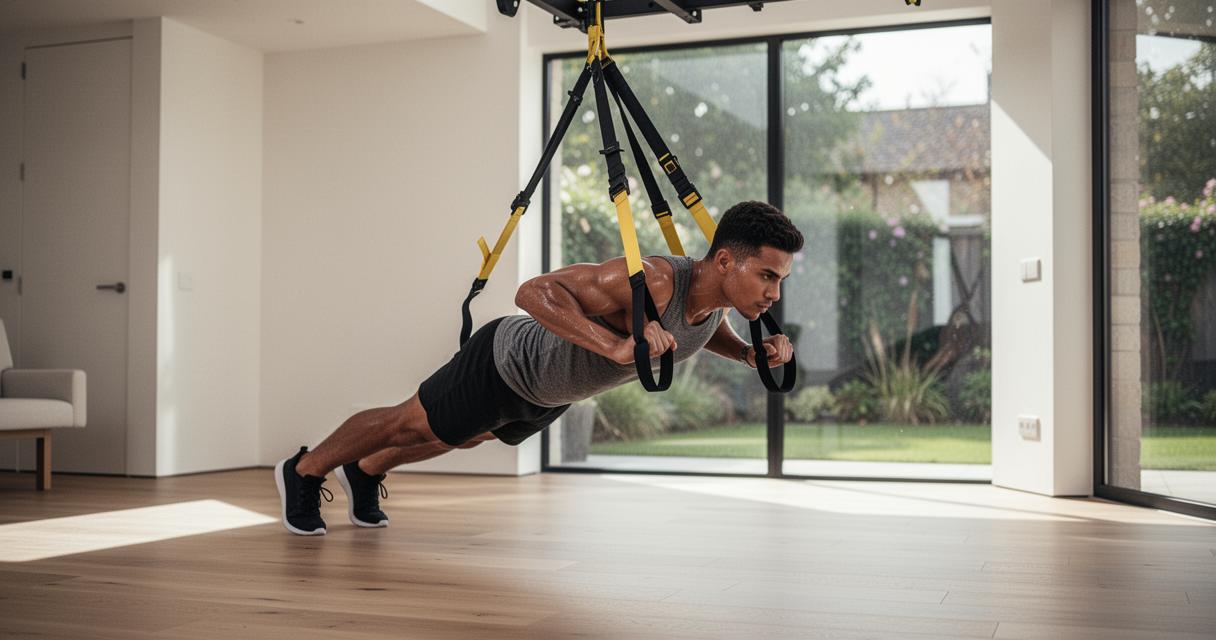
Once the straps are set, body positioning becomes the next priority. Leaning back at varying angles changes the resistance you feel, meaning small adjustments can make an exercise noticeably harder or easier. Weight distribution matters too, particularly through the feet and core, as uneven positioning can place unnecessary strain on joints. Taking time to understand these fundamentals early on pays off across every session that follows.
Core trx movements: mastering pull exercises and proper form techniques
Pulling movements sit at the heart of most TRX routines, and they’re a brilliant way to build upper body strength while also engaging the core for stability. Exercises such as the TRX Row and TRX Chin rely heavily on controlled, deliberate motion rather than momentum, which is part of what makes suspension training so effective for genuine muscle growth and endurance.
Engaging Arms and Elbows Through Controlled Pulling Actions with Suspension Straps
During a row or chin-style pull, the elbows should track close to the body as you draw yourself towards the handles. This engages the arms and back muscles in a way that mimics natural pulling patterns, reducing the risk of overloading the shoulders. Research has suggested that this type of bodyweight exercise can be just as effective as traditional weight lifting for building strength, provided the movement is performed with control rather than speed.
Maintaining a Firm Grip and Preventing Muscle Strain During Bodyweight Movements
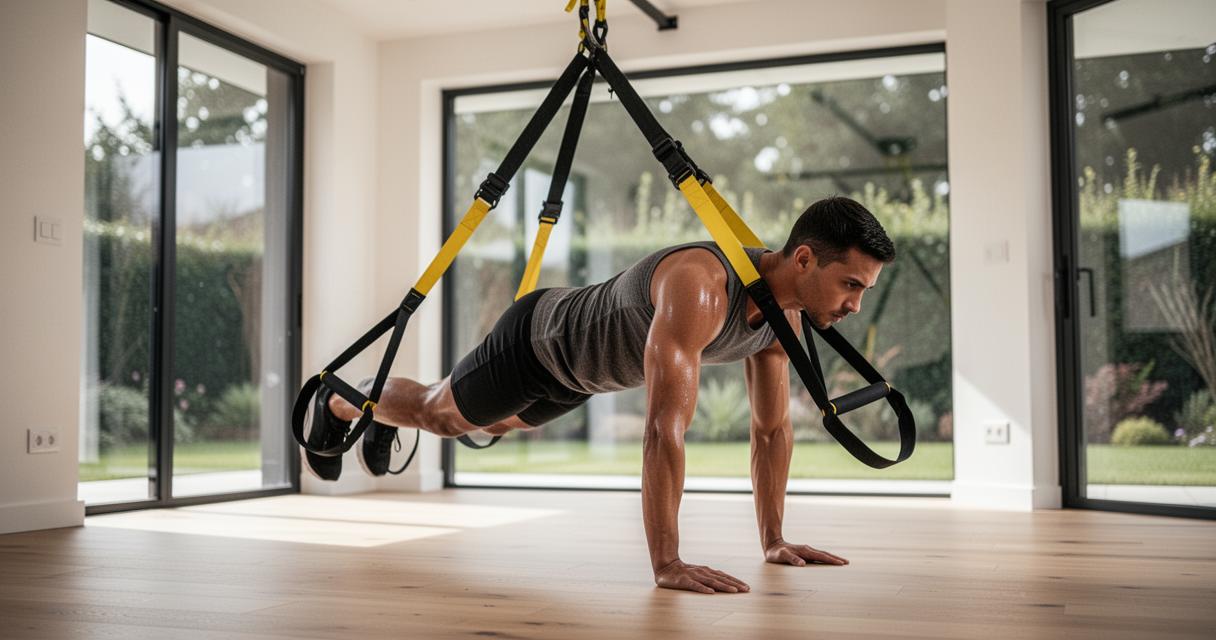
A firm grip on the handles throughout each rep is non-negotiable, both for safety and for maximising the benefits of the exercise. Letting the wrists roll or the grip loosen mid-movement is one of the more common causes of strained muscles among beginners. Slowing down each phase of the pull, rather than rushing to complete a set, tends to protect the joints while still delivering a solid strength stimulus.
Structuring your trx workout: repetitions, duration, and progressive difficulty
Once the basics of positioning and pulling are second nature, structuring a full session becomes the next consideration. A typical TRX exercise might last around 30 seconds, with the emphasis placed on controlled repetitions rather than sheer speed.
Implementing Effective Rep Ranges and 30-Second Intervals for Strength Building
Most routines suggest working within a range of ten to fifteen repetitions per exercise, spread across three or four sets depending on fitness level. This approach suits everything from a TRX Squat to Y Raise through to a Tricep Press, giving enough volume to stimulate muscle growth without tipping into overtraining. Some programmes list rep ranges as low as six for more demanding moves like the Assisted Pistol Squat, reflecting how difficulty varies considerably across the full 12 TRX exercises typically included in a well-rounded plan.
Advancing your training: foot positioning variations to challenge different muscle groups
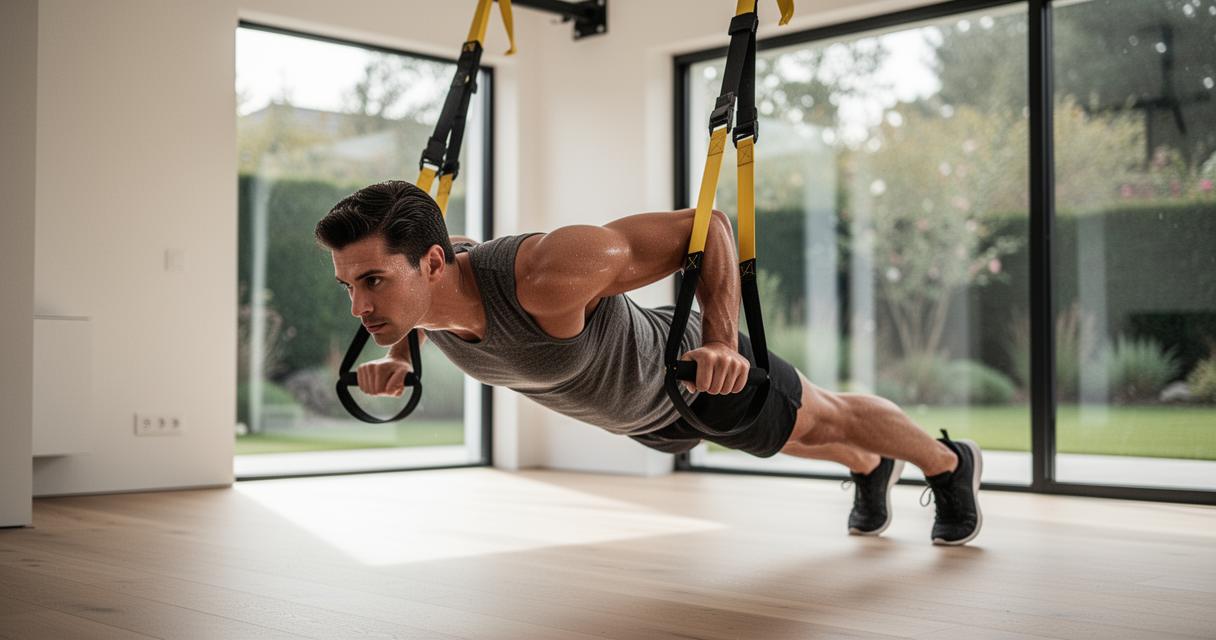
As confidence grows, shifting foot placement offers a simple way to increase intensity without needing new equipment. Elevating the feet during a press-up or hamstring curl shifts more weight onto the upper body and core, while single-leg variations such as the Rear Foot Elevated Split Squat demand greater balance and stability. These adjustments make TRX training remarkably adaptable, suiting everyone from athletes chasing performance gains to those simply wanting a varied physical activity routine.
Interestingly, the benefits of suspension training extend well beyond younger, gym-going populations. A six-week programme studying older adults, with an average age of 80, found meaningful improvements in functional reach and balance score after just twelve sessions lasting fifty minutes each. Given that the ageing population worldwide is set to grow substantially by 2050, findings like these highlight how suspension training could play a role in fall prevention and core stability for older adults, even though the same study found no significant change in grip strength or body composition. As research continues to fill gaps in this area, TRX looks set to remain relevant across a genuinely wide range of ages and fitness goals.