
Tucked away in one of the capital’s most refined corners, the area around Rue Charles Nodier offers a side of Paris that many visitors overlook in favour of the bustle of Montmartre or the Champs-Élysées. This stretch of the 16th arrondissement rewards those who take the time to wander after dark, revealing a quieter, more elegant version of Parisian nightlife that feels a world away from the crowds gathered beneath the Sacré-Cœur Basilica or milling around the Moulin Rouge.
Key takeaways
- The area around Rue Charles Nodier in the 16th arrondissement offers a sophisticated and tranquil alternative to the city’s more crowded tourist destinations.
- The local dining scene features a blend of traditional French brasseries and contemporary restaurants, characterized by a relaxed pace and a predominantly local clientele.
- Intimate wine cellars and cocktail lounges in the neighborhood provide a quiet, social atmosphere that contrasts with the louder nightlife found in other parts of Paris.
- The district hosts diverse cultural activities, including small-scale theatre performances and classical music concerts, catering to those seeking refined entertainment.
- Proximity to Passy and Trocadéro allows visitors to explore art galleries and enjoy evening strolls with views of the illuminated Eiffel Tower.
- The neighborhood benefits from excellent metro connectivity, making it easily accessible while maintaining a calm, safe, and prestigious residential character.
- Strolling through the area at night highlights its beautiful Haussmannian architecture and historical charm, offering an authentic glimpse into local Parisian life.
Sophisticated Dining and Wine Bars Along the Charles Nodier Quarter
Evenings in this part of the city tend to begin at the table, and the neighbourhood does not disappoint when it comes to good food. Traditional French cuisine remains at the heart of the local dining scene, with historic brasseries serving classic dishes alongside newer establishments that put a contemporary spin on French gastronomy. Whether you fancy a slow-cooked coq au vin or something lighter and more inventive, there is a table waiting for you within a short stroll of the street itself.
Traditional french brasseries and contemporary gastronomy
The area’s culinary identity draws heavily on the same spirit found throughout Parisian neighbourhoods, from the historic bistros of Montmartre to the trendy eateries lining Rue Montorgueil in the 2nd arrondissement. Here, though, the pace is a touch more relaxed, and the clientele skews towards locals rather than tourists. Diners seeking something beyond the usual French fare will also find international influences creeping in, much as they have in Chinatown Paris or the multicultural stretches of Canal Saint-Martin, giving the quarter a subtle but welcome diversity of flavours.
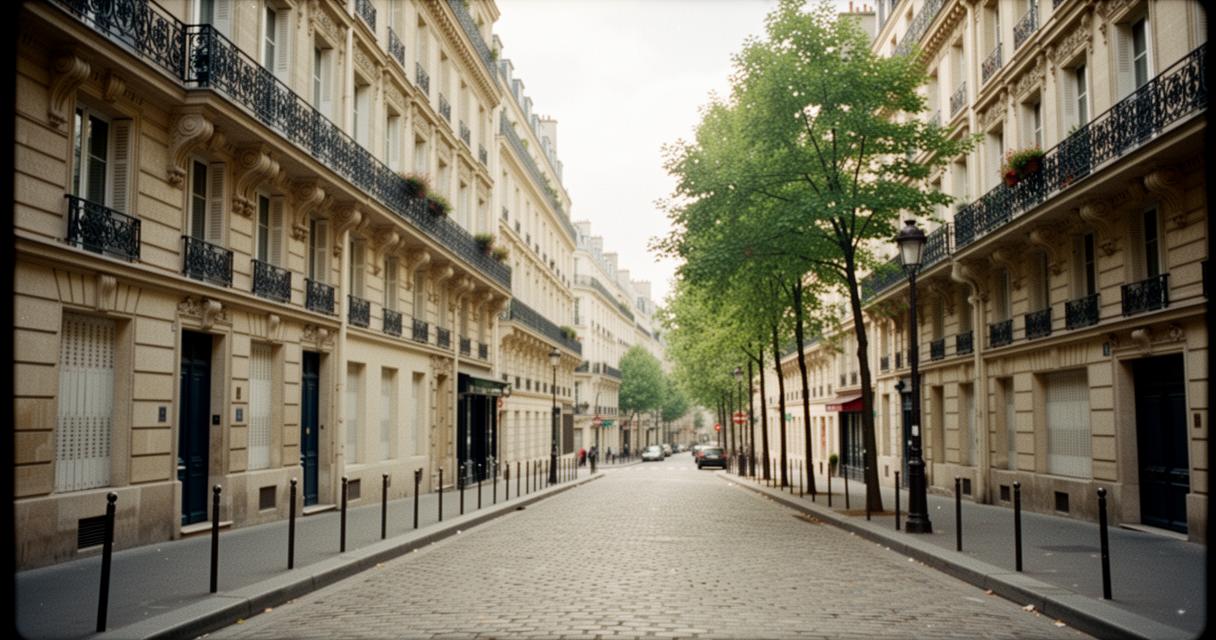
Intimate wine cellars and cocktail lounges within walking distance
For those who prefer their evening to unfold over a glass rather than a full meal, the neighbourhood’s wine bars and cocktail lounges offer a cosy alternative. Small, atmospheric cellars serve carefully chosen bottles from across France, and the mood is intimate rather than raucous, a far cry from the louder Bastille nightlife scene favoured by a younger crowd. It is the sort of place where conversation flows as freely as the wine, and where specialty coffee Paris spots by day quietly transform into candlelit lounges by night.
Cultural evening activities and entertainment venues near rue charles nodier
Beyond the table, the 16th arrondissement has plenty to offer culturally, particularly for those drawn to theatre, music, and art rather than nightclubs. This is not the district for those chasing the artistic heritage of Montparnasse’s literary cafés or the creative energy of the 20th arrondissement, but it holds its own quieter charm.
Theatre Performances and Classical Music Concerts in the 16th District
Several intimate venues nearby host theatre performances and classical concerts throughout the week, drawing an audience that appreciates a more refined evening out. These cultural events Paris residents often overlook in favour of bigger, flashier productions elsewhere, yet they provide some of the most memorable evenings the city has to offer, particularly for those seeking an alternative to the crowded Latin Quarter theatres or the tourist-heavy shows near the Champs-Élysées.
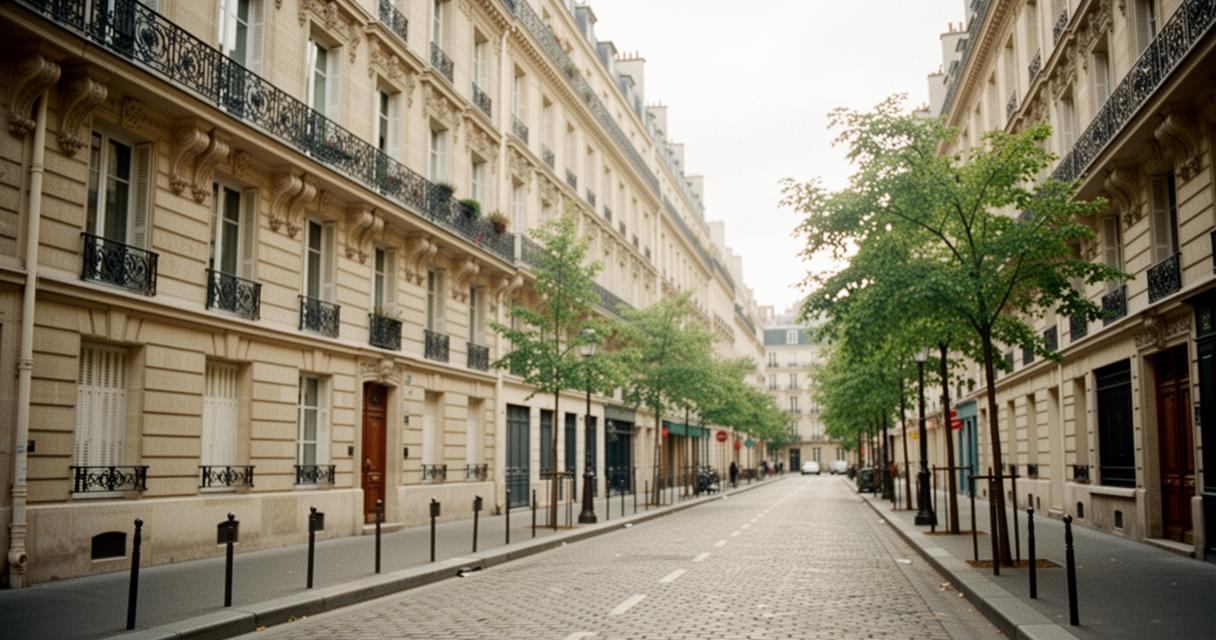
Art Galleries and Late-Night Museums Around Passy and Trocadéro
A short walk towards Passy and Trocadéro reveals a cluster of art galleries that occasionally stay open into the evening, offering a peaceful alternative to daytime crowds. The area’s proximity to the Eiffel Tower means that after a gallery visit, a stroll towards the illuminated monument makes for a fittingly romantic end to the night. This part of Paris feels distinctly upscale, sitting comfortably among the city’s more prestigious residential arrondissements.
Navigating the Evening Scene: Transport Links and Neighbourhood Character
Practicalities matter just as much as atmosphere when planning an evening out, and the Charles Nodier quarter benefits from solid Paris metro connectivity that makes it easy to reach from almost anywhere in the city.
Metro Connections and Evening Safety in the 16th Arrondissement
Multiple metro lines serve the district, allowing visitors to hop between neighbourhoods with ease, whether heading towards Saint-Germain-des-Prés for a nightcap or back towards Montmartre for one last look at the city lights. Paris safety awareness remains sensible practice here as elsewhere, though the 16th is generally regarded as one of the calmer, more conservative corners of the city, making it a comfortable choice for an evening stroll even after the sun has set.
Architectural charm and historical atmosphere after dark
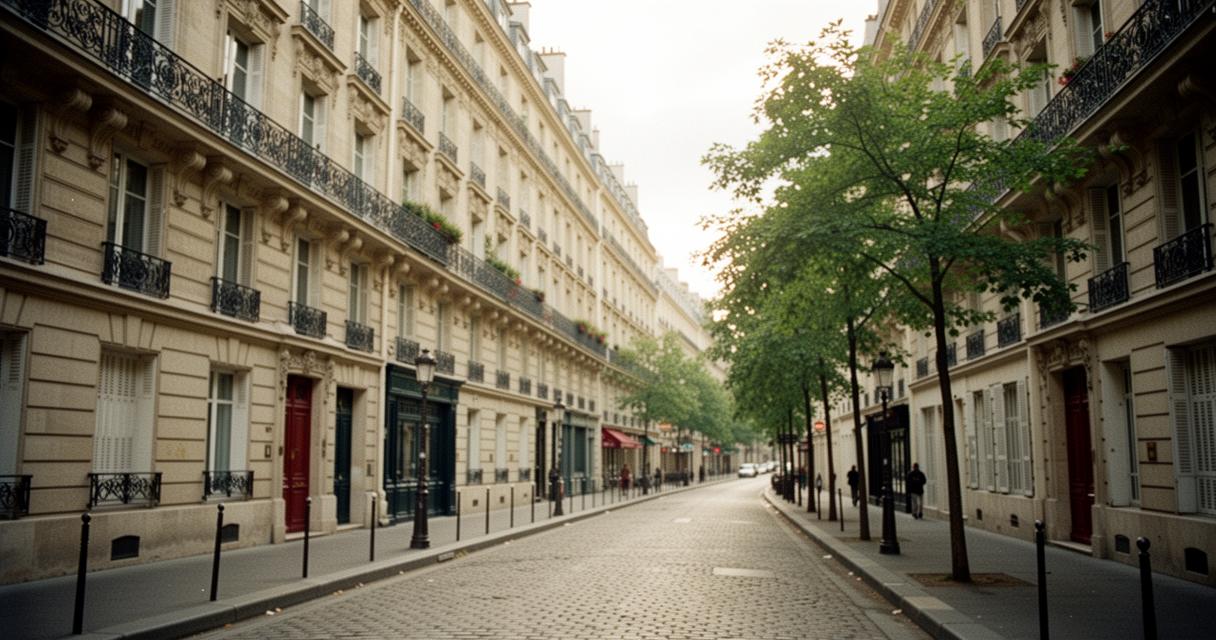
What truly sets this quarter apart after dark is its architecture. Elegant Haussmannian façades catch the glow of streetlamps, and the quiet, tree-lined avenues carry a sense of history that rewards slow exploration. The street’s very name nods to Charles Nodier, the French writer and librarian whose legacy connects this Parisian corner to Besançon, his birthplace, linking two very different French cities through one literary figure. Wandering here in the evening feels less like sightseeing and more like stepping briefly into another era, a hidden gem for anyone keen to experience local Parisian culture away from the busier tourist trail.
 Importance and Impact of Sports in Our Daily Life
 People Want to Know Who Is Fred Mastro?
 Understanding the importance of professional stamp collection evaluation
 Best pizza in the world : The pineapple pizza
 The Different Types of Litre Measuring Charts: A Complete Guide to Keeping Your Kitchen Equipment Spotless and Accurate
 Exploring Urban Art’s Influence on Contemporary Society and Culture
 Discover the Versatility of Disposable Cameras with Vintage Retro Style
 Inspiring Woodworking Projects for a Stunning Home Makeover: Building Durable Outdoor Pieces That’ll Jazz Up Your Gaff
 Exploring the Impact of Lifestyle Choices on Personal Well-being
 Exploring Traditional Spanish Recipes to Complement Your Fashion and Lifestyle
 How to Find the Perfect Surname with a Surname Generator Whilst Steering Clear of Typical Generator Blunders
 California Mahogany Catalogues and Brochures: Your Goal for Sustainable Timber Shopping in Le Lamentin
 Which Cemetery Plant to Flower Graves? Best Plants Representing Love and Peace
 Ring Father Christmas on 08 92 24 13 12, Take Note, Here is Father Christmas’s Number and Discover How Holiday Hotlines Give Back to Charity
 Best Portable Equipment for Parents & Kids: Family-Tested Gear for Adventurous Outdoor Activities
 Consumer tips every brit should know before making an online purchase