
The transition towards renewable energy has prompted intense scrutiny of the environmental credentials of various technologies, and solar power stands prominently at the centre of this debate. While photovoltaic systems offer undeniable benefits in terms of clean energy generation, a comprehensive understanding requires examining the complete lifecycle of these installations. From the initial extraction of raw materials through to eventual decommissioning, each phase presents distinct environmental considerations that inform our assessment of solar technology's true sustainability profile. This evaluation draws upon lifecycle analysis methodologies to provide a thorough appraisal of photovoltaic panels, incorporating insights from industry developments and environmental research.
Manufacturing and Raw Material Extraction: The Initial Environmental Footprint of Soleco Photovoltaic Systems
Resource Requirements and Mining Impacts in Solar Panel Production
The construction of photovoltaic installations demands a substantial array of raw materials, each carrying its own environmental implications. The manufacturing process relies heavily on aluminium, copper, steel, concrete, silver, silicon, and graphite, materials that must be extracted and processed before assembly can commence. The scale of this requirement becomes particularly concerning when considering long-term resource availability. Research from IFPen suggests that global copper consumption could exceed known reserves by 2050, highlighting the pressing challenge of resource scarcity as solar deployment accelerates worldwide. This potential shortfall raises important questions about the sustainability of current manufacturing practices and the necessity for alternative materials or enhanced recycling programmes.
The supply chain for silicon, a fundamental component in photovoltaic technology, presents additional environmental and geopolitical considerations. Current silicon supply for PV applications remains heavily dependent on China, creating vulnerabilities in the production chain whilst concentrating environmental impacts in specific regions. This geographical concentration of manufacturing raises concerns not only about supply security but also about the environmental standards applied during production. The extraction and refinement of these materials require substantial energy inputs, and the carbon intensity of this energy significantly influences the overall environmental footprint of the finished panels. Understanding these upstream impacts provides essential context for evaluating the complete lifecycle of solar installations.
Energy consumption and carbon emissions during soleco panel manufacturing
The manufacturing phase represents the most carbon-intensive period in the lifecycle of photovoltaic systems. Transforming raw materials into functioning solar panels requires significant energy expenditure, with corresponding CO2 emissions that must be accounted for in any honest environmental assessment. However, context proves crucial when evaluating these figures. Whilst solar PV panels demonstrate a slightly larger carbon footprint than nuclear and wind energy during production, they remain substantially cleaner than fossil fuel alternatives when assessed across their entire operational lifespan. The manufacturing emissions constitute an upfront environmental cost that is progressively offset through decades of clean energy generation.
The energy required for production varies considerably depending on manufacturing location and the energy sources powering the factories. Facilities operating in regions with cleaner electricity grids naturally produce panels with lower embodied carbon than those relying on coal-fired power. This variation underscores the importance of considering not just the technology itself but the broader energy context within which it is manufactured. As renewable energy penetration increases globally, the carbon footprint of panel production should decrease correspondingly, creating a virtuous cycle wherein solar technology becomes progressively cleaner to produce. This dynamic relationship between manufacturing emissions and grid composition highlights the interconnected nature of energy system decarbonisation.
Operational Efficiency and Long-term Environmental Benefits of Soleco Solar Technology
Clean energy generation and carbon offset capabilities throughout panel lifespan
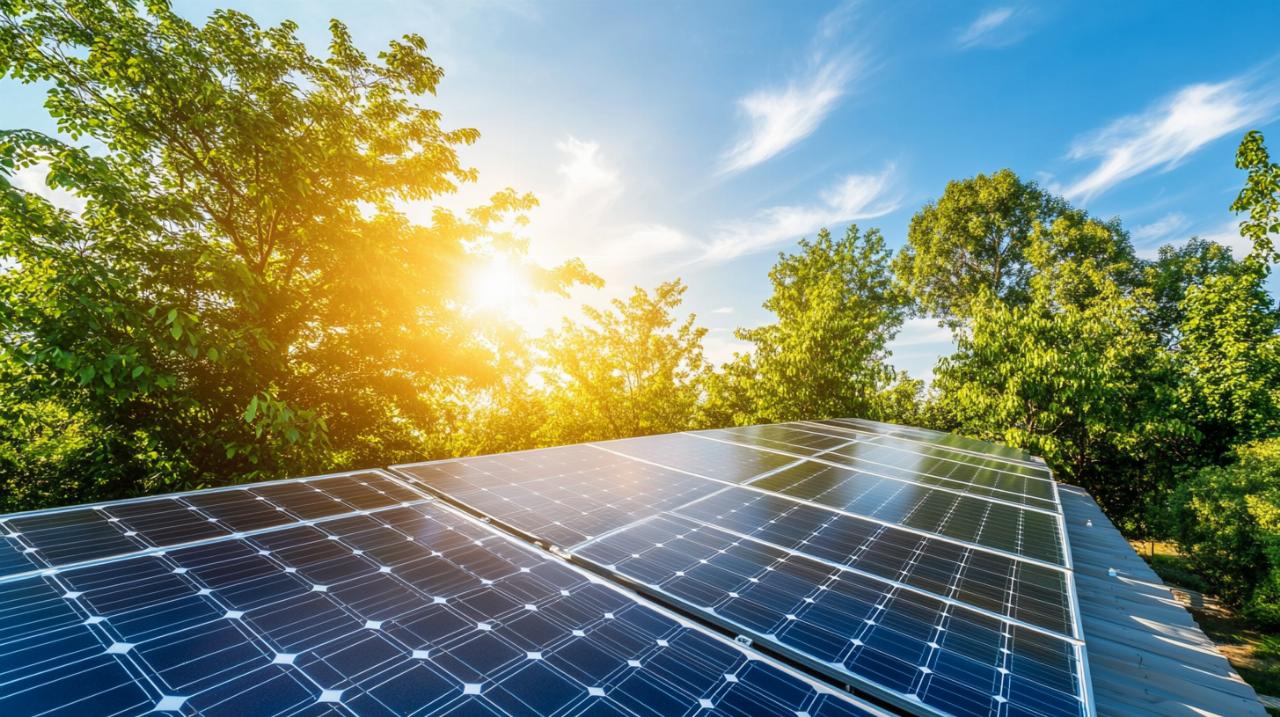
The operational phase represents the environmental justification for photovoltaic technology, as panels generate electricity without direct emissions over an extended period. A properly maintained PV system can function effectively for roughly 25 to 40 years, providing decades of clean power generation that progressively offsets the initial manufacturing emissions. During this extended operational period, photovoltaic installations displace electricity that would otherwise be generated through fossil fuel combustion, preventing substantial quantities of greenhouse gas emissions from entering the atmosphere. The carbon payback period, the duration required for a panel to generate sufficient clean energy to offset its manufacturing emissions, typically ranges from one to four years depending on location and manufacturing methods.
This favourable ratio between operational lifespan and payback period demonstrates the strong environmental case for solar deployment. Over a typical 30-year operating life, a photovoltaic installation will generate clean electricity for more than 25 years beyond its carbon payback point, representing a significant net environmental benefit. Research consistently demonstrates that renewable energy sources, including solar, maintain substantially lower CO2 emissions than fossil fuels when assessed through comprehensive lifecycle analysis. This advantage extends across the complete lifecycle from planning through to decommissioning, encompassing raw materials, manufacturing, installation, operation, and eventual disposal. The cumulative emissions reduction achieved through widespread solar deployment therefore represents a critical tool in addressing climate change.
Maintenance requirements and environmental considerations during active use
Unlike conventional power generation facilities that require continuous fuel inputs and produce ongoing emissions, photovoltaic installations operate with minimal environmental impact during their active service life. The operational phase generates negligible direct emissions, as panels convert sunlight directly into electricity through solid-state processes without combustion or chemical reactions. Maintenance requirements remain relatively modest throughout this period, typically involving periodic cleaning to maintain efficiency and occasional replacement of inverters and electrical components. These maintenance activities represent minor environmental considerations compared to the substantial impacts associated with operating fossil fuel plants.
The environmental profile during operations contrasts sharply with conventional generation technologies that consume resources and produce emissions continuously throughout their operating lives. This fundamental difference in operational characteristics provides photovoltaic systems with a decisive environmental advantage once the initial manufacturing impacts have been offset. The absence of fuel requirements eliminates the ongoing environmental costs associated with extraction, processing, and transportation of coal, gas, or oil. Similarly, the lack of combustion emissions removes a continuous source of air pollution and greenhouse gases. This operational cleanliness, sustained over decades, constitutes perhaps the most compelling environmental argument for solar technology adoption.
End-of-Life Management: Recycling and Disposal Solutions for Soleco Photovoltaic Panels
Current recycling programmes and material recovery processes
As the first generation of large-scale photovoltaic installations approaches retirement, the question of end-of-life management assumes increasing importance in environmental assessments. The materials embedded within solar panels represent valuable resources that should ideally be recovered and reintroduced into manufacturing cycles rather than consigned to landfill. The recycling of PV materials has consequently become an increasingly important consideration within the industry, with various programmes emerging to address the growing volume of panels reaching end-of-life. Current recycling processes can recover significant quantities of aluminium, glass, copper, and silicon from decommissioned panels, though the economics and efficiency of these operations continue to evolve.
The development of effective recycling infrastructure presents both challenges and opportunities for the solar industry. Establishing collection networks, processing facilities, and markets for recovered materials requires substantial investment and coordination across multiple stakeholders. However, successful recycling programmes offer multiple benefits beyond waste reduction, including reduced demand for virgin materials, decreased manufacturing environmental impacts, and enhanced supply security for critical components. The European framework has demonstrated particular leadership in this area, establishing regulatory requirements for panel collection and recycling that incentivise the development of comprehensive end-of-life management systems. These initiatives provide valuable models for other regions as they grapple with similar challenges.
Future Sustainability Initiatives and Circular Economy Approaches in Solar Technology
The evolution towards circular economy principles represents the next frontier in photovoltaic sustainability, moving beyond simple recycling towards comprehensive lifecycle design that minimises waste and maximises resource efficiency. Industry leaders supported by initiatives including the European Union Horizon 2020 programme and the Spanish Ministry of Economics and Digital Agenda are developing increasingly sophisticated approaches to lifecycle analysis, incorporating environmental considerations from the earliest planning stages through to final decommissioning. These advances enable more informed decision-making throughout project development, helping optimise installations for both performance and environmental outcomes.
Technology providers based in locations such as Madrid, Spain, exemplify this evolving approach, offering platforms that assess environmental impact comprehensively across all lifecycle stages. The integration of such tools into standard project development workflows represents a significant advance in responsible solar deployment, ensuring that environmental considerations inform decisions throughout the planning, design, construction, and operation phases. Looking forward, continued innovation in panel design, manufacturing processes, and recycling technologies promises to further reduce the environmental footprint of photovoltaic systems. Enhanced material efficiency, development of panels designed specifically for disassembly and recycling, and increased use of renewable energy in manufacturing all contribute to this ongoing improvement trajectory. As these advances accumulate, the environmental case for solar technology strengthens further, reinforcing its position as a cornerstone of sustainable energy systems.